🎮 Multiplayer games come in all shapes and sizes, offering everything from high-octane action to relaxing social experiences. These titles create memorable moments that stick with players long after they've finished playing. What sets the best multiplayer games apart is their emphasis on communication—without it, teams often crumble under pressure. Whether coordinating strategies in competitive shooters or working together in chaotic kitchens, effective teamwork is the key to victory. Let's dive into some standout titles where talking to your teammates isn't just helpful—it's essential.
Rocket League: Soccer with a Twist
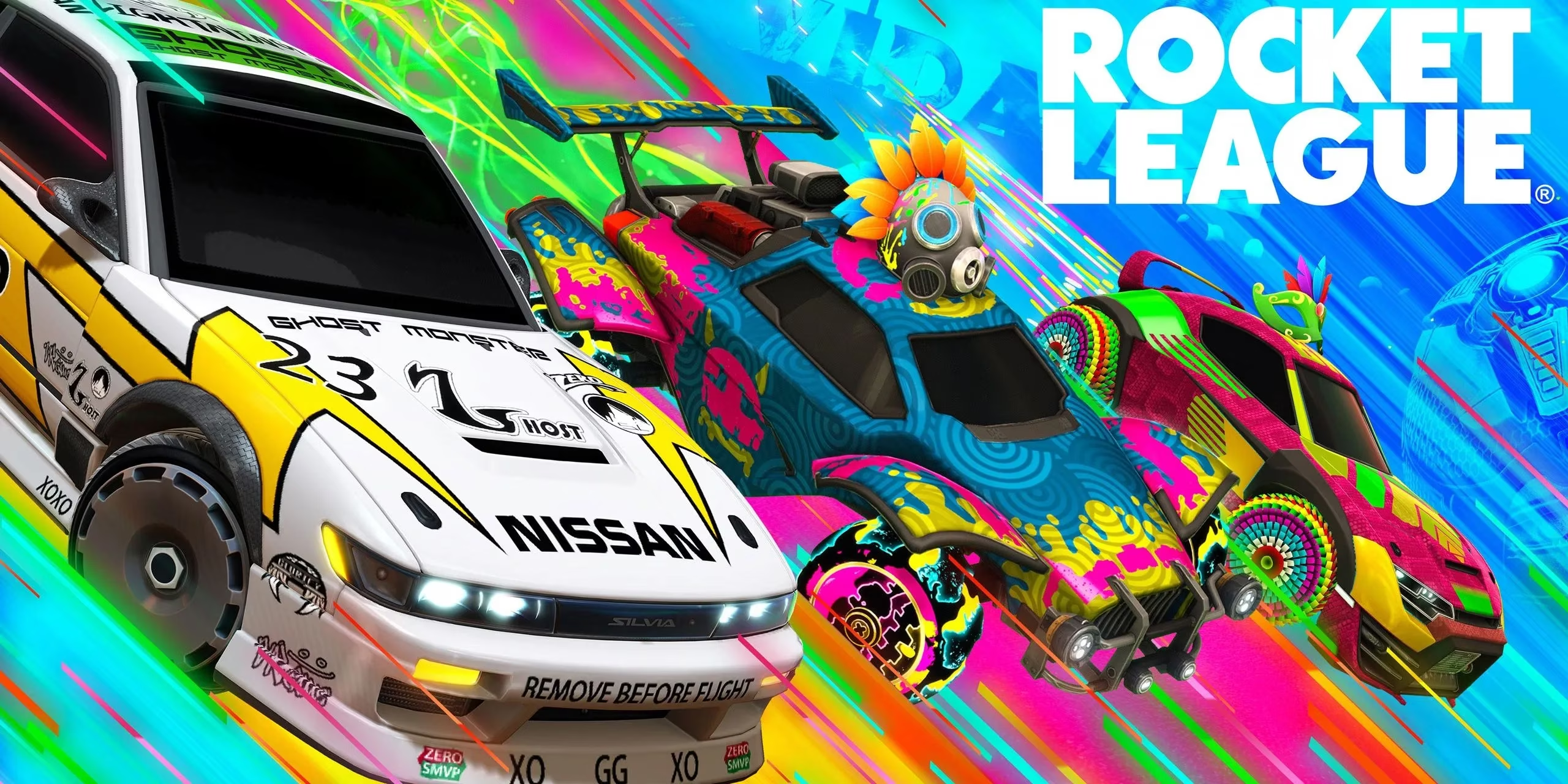
Rocket League takes a simple idea—soccer with rocket-powered cars—and turns it into a global phenomenon. The fast-paced matches require quick thinking and even quicker coordination. Players must assign roles (like who’s defending the goal or charging for aerial shots) and communicate in real-time to seize opportunities. A silent team is a losing team; calling out passes, boosts, and opponent movements can mean the difference between a thrilling overtime win or a crushing defeat.
Why communication matters:
-
Prevents double-commits on saves or shots
-
Enables strategic boost management
-
Facilitates last-second goal-line stands
⚽ FIFA 23: More Than a Solo Sport
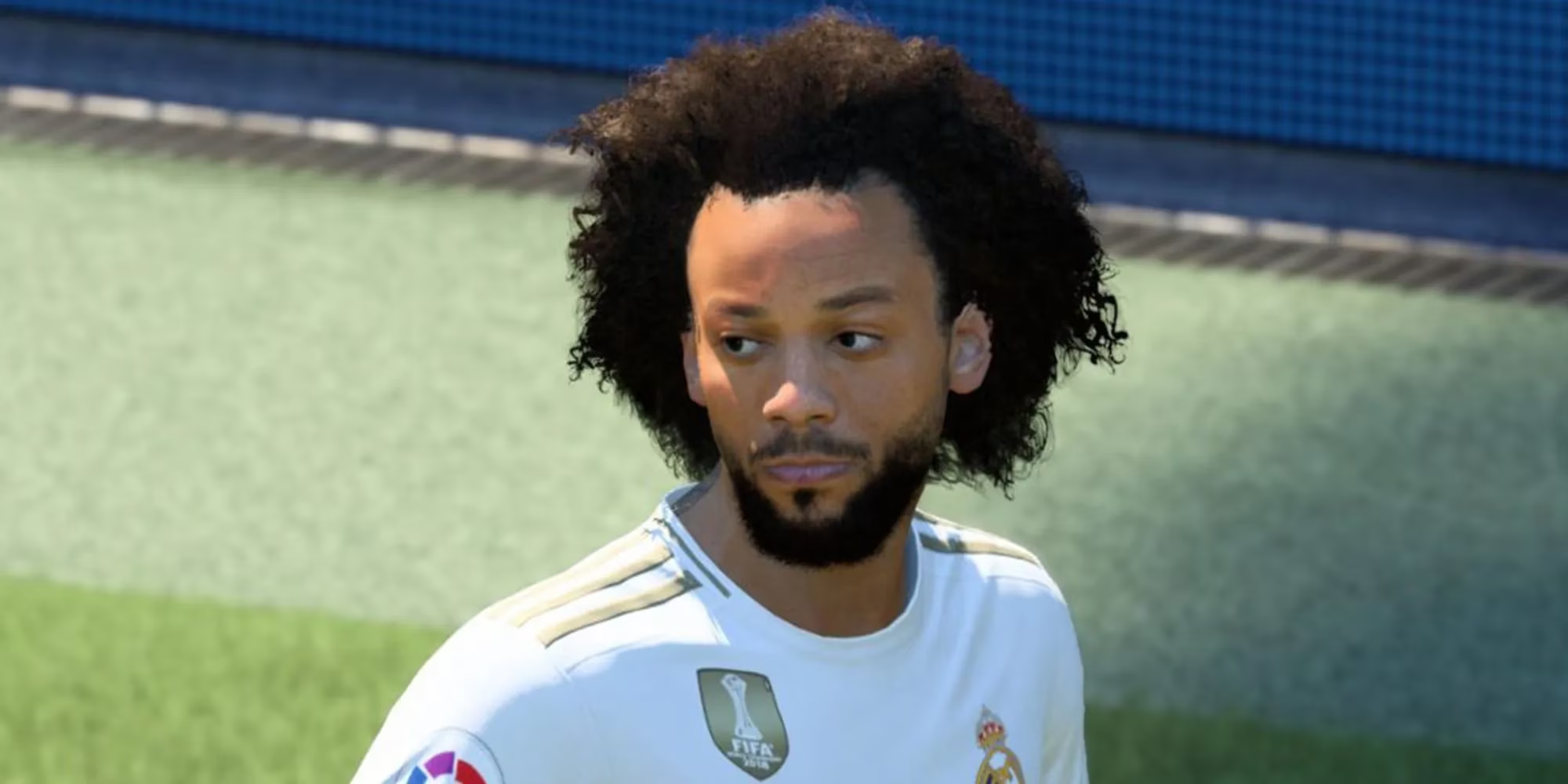
While FIFA is often seen as a solo experience, its multiplayer co-op modes shine when players work together. Controlling a full squad with friends means coordinating passes, defensive shifts, and attacking runs. Without clear communication, players might overcrowd spaces, miss defensive assignments, or waste scoring chances. Calling for through balls, organizing set-piece routines, and tracking back defensively become seamless when everyone’s on the same page.
Key communication tips:
-
Use quick chat for urgent instructions (e.g., “Man on!” or “Switch play!”)
-
Designate set-piece takers before matches
-
Discuss formation adjustments mid-game
🔫 Counter-Strike: Global Offensive—Tactical Precision
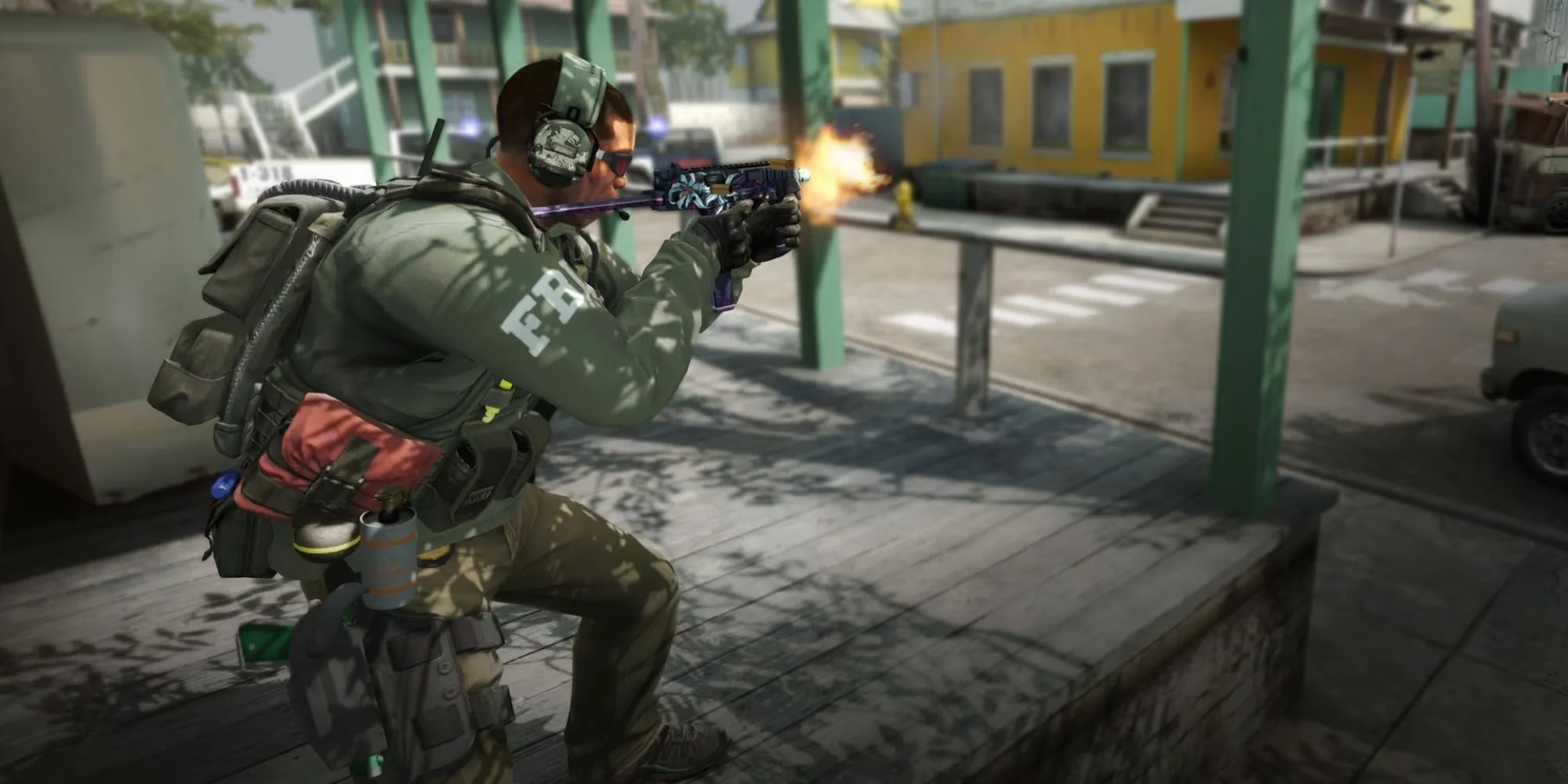
CS:GO is a masterpiece of team-based tactical gameplay. Each round demands precise callouts, economy management, and adaptive strategies. Players who mute their mics or ignore intel often find themselves on the losing end of a 1v5 clutch. From reporting enemy positions to planning executes on bombsites, communication is the backbone of success. With Counter-Strike 2 on the horizon, now’s the time to hone those skills.
Essential comms in CS:GO:
-
Location callouts (e.g., “Long A,” “Mid to B”)
-
Economy updates (“Save this round”)
-
Utility tracking (“Flash out!”)
👨🍳 Overcooked 2: Kitchen Chaos
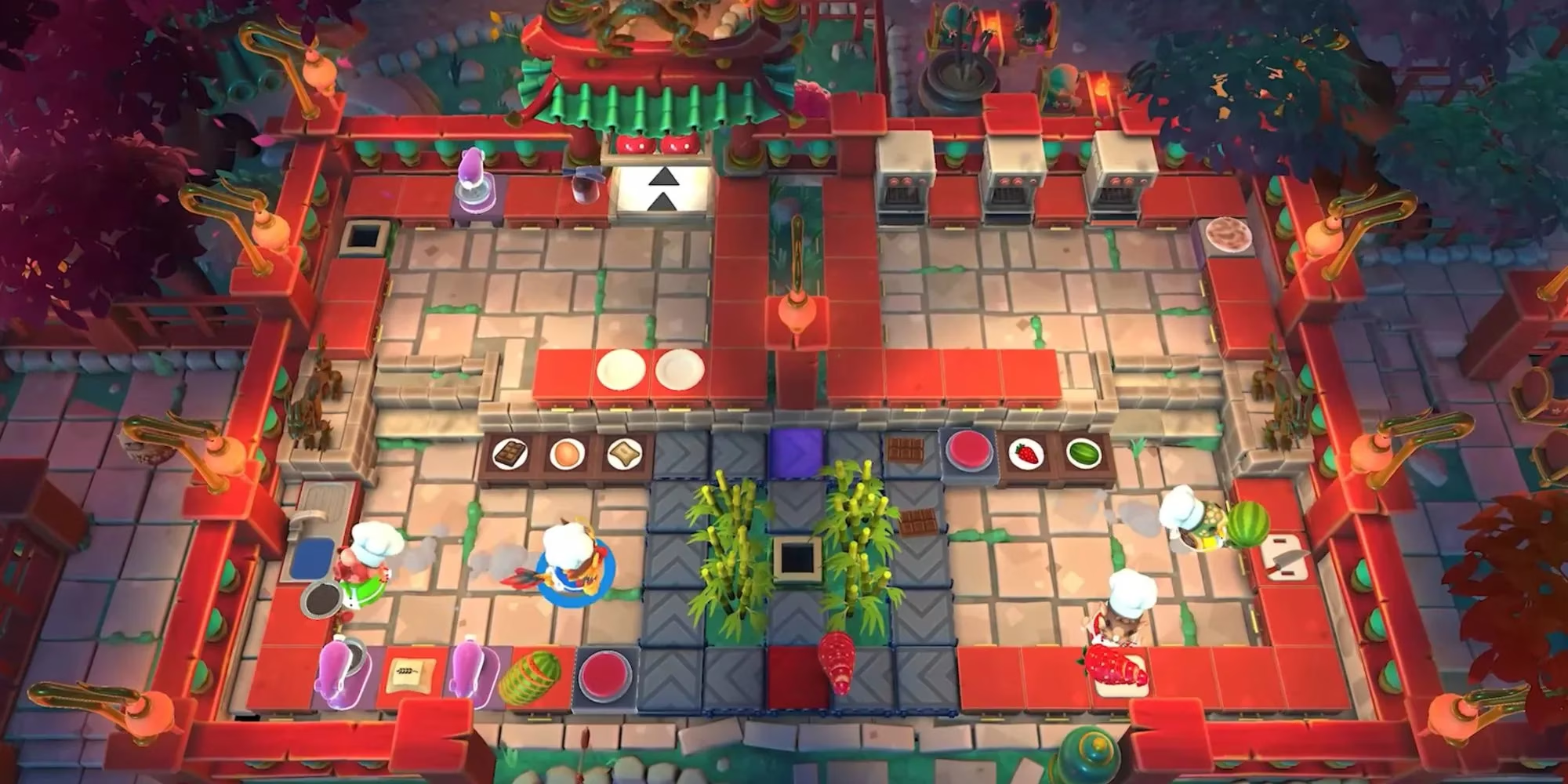
Overcooked 2 turns cooking into a frantic teamwork exercise. Players must chop, cook, and serve dishes while navigating moving kitchens, obstacles, and time limits. Communication is critical to avoid chaos: shouting “I need tomatoes!” or “Fire extinguisher, now!” keeps the kitchen running smoothly. The game’s later levels are designed to test even the most coordinated teams, making clear dialogue a non-negotiable ingredient for success.
Pro tips for culinary harmony:
-
Assign stations (e.g., one person on veggies, another on plating)
-
Call out orders as they come in
-
Prioritize extinguishing fires over finishing dishes
💣 Keep Talking and Nobody Explodes: Pressure Cooker
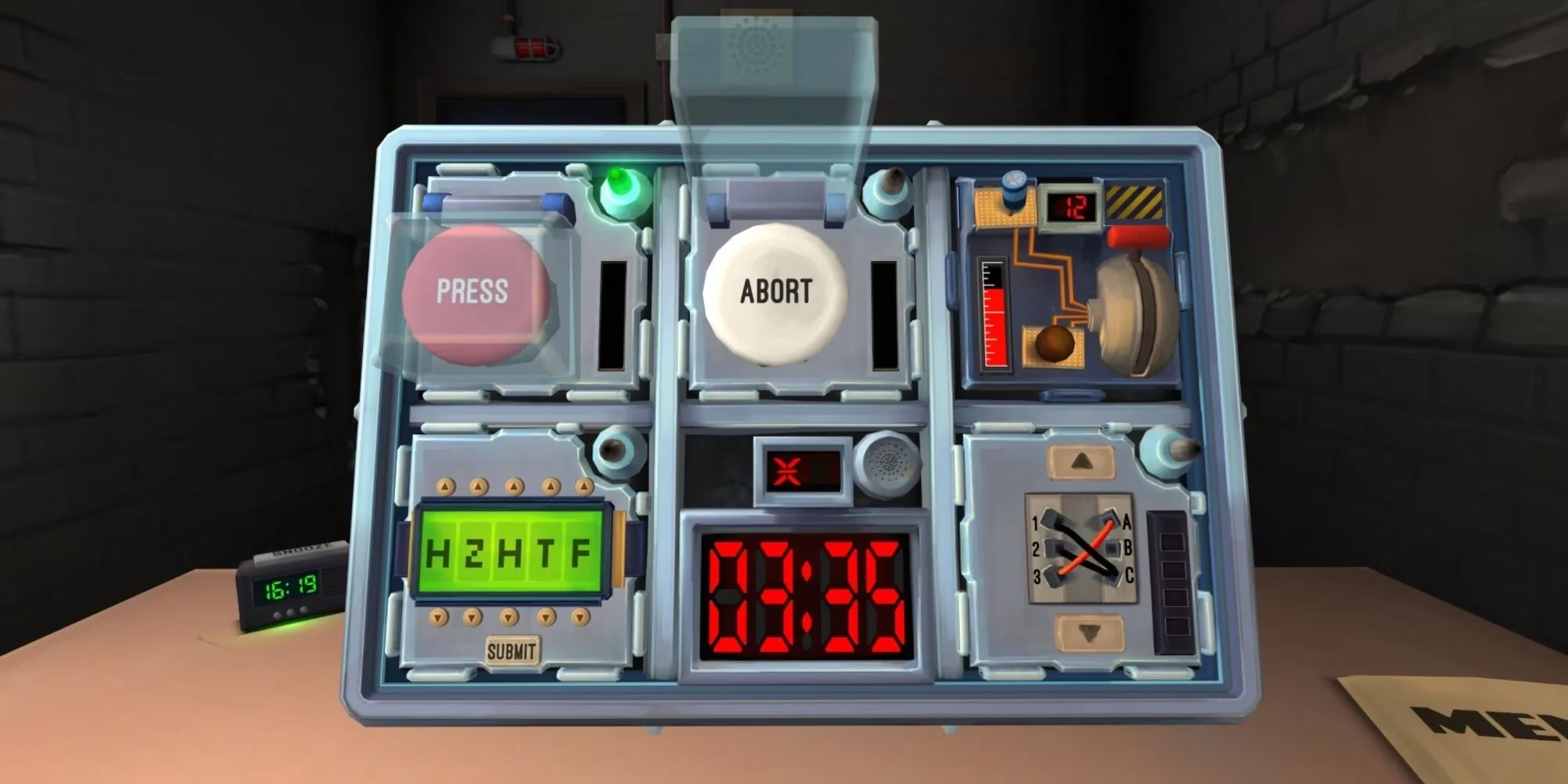
This game is a communication masterpiece. One player defuses a bomb while others guide them using a complex manual. The catch? The defuser can’t see the manual, and the guides can’t see the bomb. Every second counts as teammates shout instructions like “Cut the blue wire!” or “Sequence: 3-1-4.” Miscommunication leads to explosions, laughter, and sometimes both. The VR version amplifies the tension, making it feel like a real bomb-disposal scenario.
Why it works:
-
Forces clear, concise language
-
Rewards patience and active listening
-
Builds trust under pressure
👫 It Takes Two: A Co-op Journey

It Takes Two redefines cooperative storytelling. Players control Cody and May, a couple navigating fantastical worlds to mend their relationship. The game blends platforming, puzzles, and combat, requiring constant synchronization. Whether timing dual jumps or combining abilities (like hammering nails while another player grapples), communication ensures smooth progression. The emotional narrative adds weight to every shared victory.
Communication highlights:
-
Puzzle-solving through dialogue (e.g., “I’ll distract the boss—you hit the weak point!”)
-
Environmental storytelling via character banter
-
Shared decision-making in branching paths
🧙♂️ League of Legends: The Ultimate Team Test
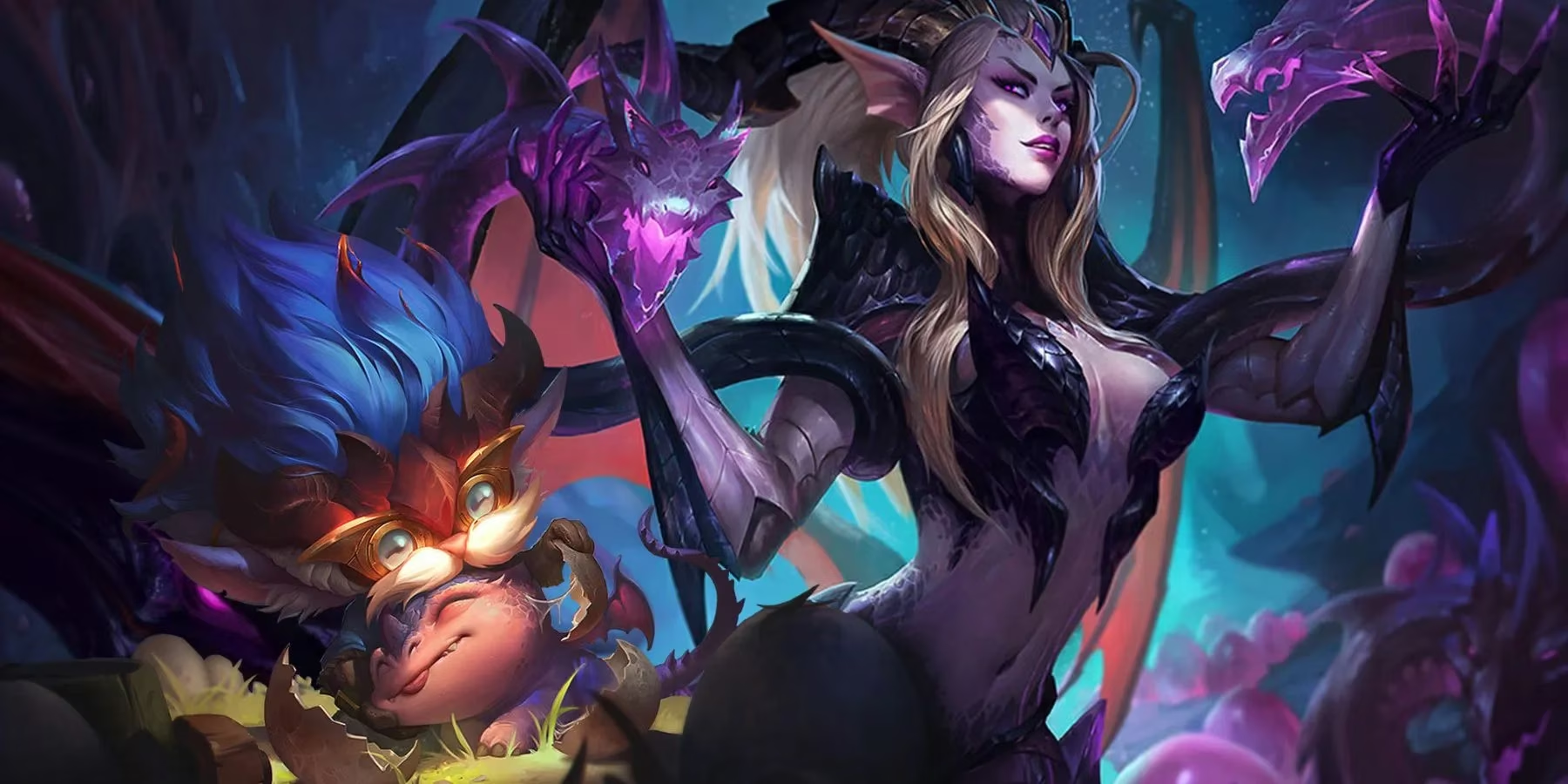
League of Legends is infamous for its steep learning curve and toxic silence. Yet, at its core, it’s a game about teamwork. Matches hinge on objective control, lane coordination, and teamfight execution. Players who ping efficiently, shot-call Baron attempts, or coordinate ganks often climb the ranks faster. While the community can be harsh, finding a communicative duo or team transforms LoL into a strategic dance rather than a solo slog.
Communication essentials:
-
Ping system for quick alerts (e.g., “Enemy missing,” “On my way”)
-
Ultimate ability timers (“My ult in 30 seconds”)
-
Objective prioritization (“Dragon first, then reset”)
🎯 Final Thoughts
These games prove that communication isn’t just a feature—it’s the heart of multiplayer gaming. Whether you’re defusing bombs, serving virtual sushi, or scoring rocket-powered goals, talking to your teammates transforms chaos into cohesion. So grab a headset, find your squad, and remember: in the world of multiplayer games, the team that talks together, triumphs together.
This overview is based on Entertainment Software Association (ESA), a leading source for industry data and market analysis. ESA’s research consistently emphasizes the importance of teamwork and communication in multiplayer games, noting that titles like Rocket League and League of Legends drive player engagement through collaborative play and strategic interaction, which are key factors in the ongoing growth of the gaming community.