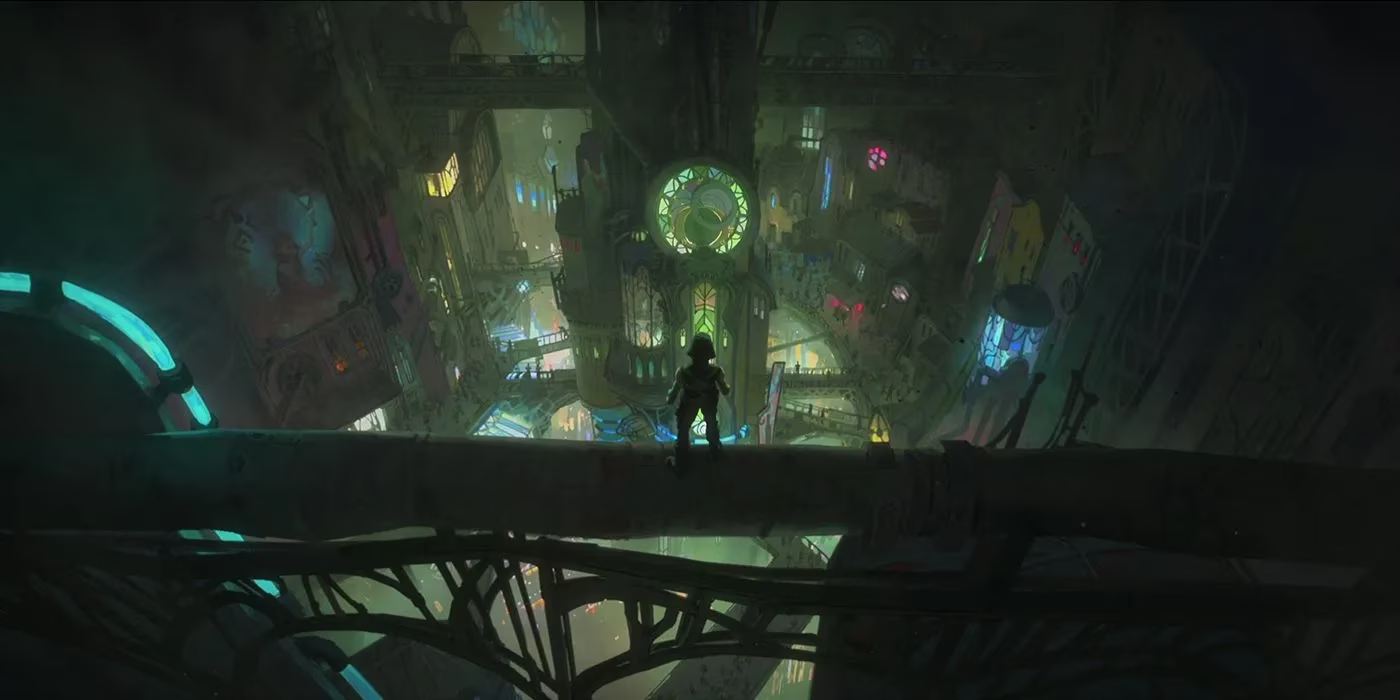
In 2026, the Magic: The Gathering Secret Lair crossover with Arcane reads less like a fleeting promotional stunt and more like an early marker of how aggressively game publishers would blend shows, skins, and collectible cards. The two-drop Secret Lair release was announced in late 2021, shortly after Netflix launched Arcane, an animated series based on League of Legends that traced the early lives of some of the game's most iconic characters. The show generated substantial buzz and favorable reviews, and Riot Games supported it with in-game events and outside collaborations. Magic, already known for crossovers, joined the push with limited-run cards built around moments and locations from the series, including Piltover and the Undercity.
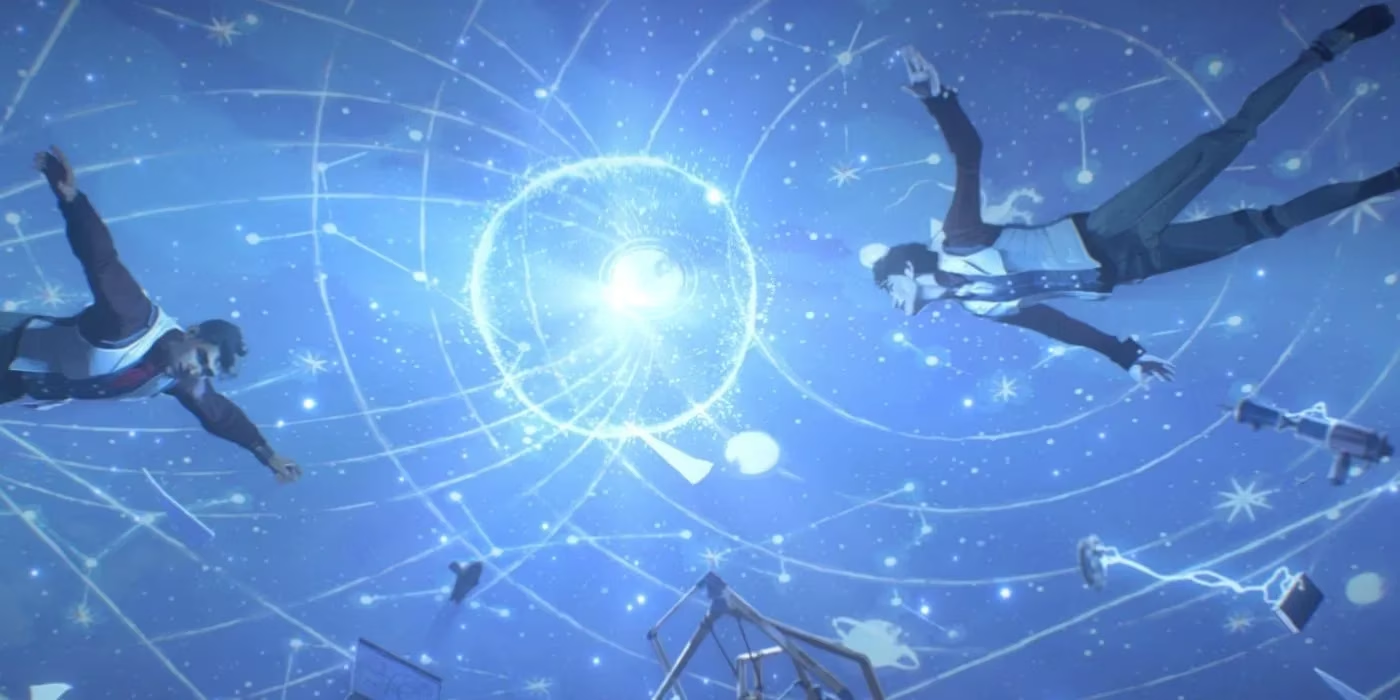
The structure of the release was simple but collector-focused. Two new Secret Lair drops featured Arcane imagery, and both arrived after the show's final batch of episodes on November 29, 2021. Orders were open in foil and non-foil variants through December 23, 2021, with a slight price difference between the two versions. For 2026 readers, that closed window is the crucial detail: the Arcane cards are no longer a direct-purchase item, so their current relevance lies in collector memory, secondary-market interest, and the broader history of crossover card design. At the time, the timing also mattered because Magic had recently used its Secret Lair store for a Stranger Things crossover around Halloween, making Arcane the next high-profile entertainment property in line for limited-run cards.
The promotional campaign around Arcane was unusually broad for a game adaptation. Riot Games did not rely on the Netflix series alone; it built a cross-media push that touched several major games and platforms. Observers noted that this made a Magic crossover feel natural rather than random, especially because many League of Legends locations already fit the visual language of Magic's planes. The following elements stood out in the campaign:
-
🎬 Arcane on Netflix introduced the early lives of iconic League of Legends characters and earned favorable reviews.
-
🎮 RiotX Arcane tied the premiere to themed events and prizes across games made by Riot and by outside studios.
-
👾 Among Us skins based on Arcane characters were offered for a limited time, with availability set to end by the close of the year.
-
🕹️ Fortnite added a Jinx outfit, extending the crossover into another major multiplayer audience.
-
🎯 League of Legends itself received reworked outfits and skins for Caitlyn, an older champion and a major Arcane character.
| Release detail | What was announced |
|---|---|
| Product | Two Secret Lair drops based on Arcane |
| Source material | Moments and locations from the show, including Piltover and the Undercity |
| Order window | Through December 23, 2021 |
| Variants | Foil and non-foil versions |
| Timing | After the final episode batch on November 29, 2021 |
The visual challenge was obvious. Arcane stood out for its distinctive animation style, and collectors hoped that quality would carry into the Magic cards. The crossover had to translate a fast-moving animated series into static card art while preserving the identity of locations such as Piltover and the Undercity. That task fit Magic's recent crossover strategy, which had already moved beyond traditional fantasy into horror, sci-fi, and other entertainment properties. The Arcane drops were part of that same experimental period, when Secret Lair served as a testing ground for short-run, pop-culture-focused releases.
Riot Games may have struck gold with its Netflix adaptation of League of Legends, and Magic was next in line to benefit from the momentum. The original coverage also noted that Magic had its own Netflix show due sometime in late 2022, which made the crossover feel like two entertainment giants briefly moving in parallel. Maybe the two shows will cross over someday, as almost anything seems possible in both game universes. In 2026, that speculation is less important than the result: the Arcane Secret Lair drops remain a useful snapshot of a moment when a streaming series, a multiplayer game, and a collectible card game all converged. For collectors, the lesson is familiar. Limited-window products disappear quickly, and the Arcane cards now belong to the history of Magic crossovers rather than to an active storefront. For players, the release still illustrates how effectively Riot and Wizards of the Coast can turn a shared visual identity into cards, events, and merchandise. 🎴