From my seat as a regular League of Legends player in 2026, the 2022 preseason still stands out as one of those moments when Riot Games tried to solve old problems with a mix of visual polish, systemic changes, and cross-media storytelling. I remember the patch cycle feeling unusually packed: new items, dragons, and runes were on the way, Caitlyn was getting a visual update, four champions were lined up for free Arcade-inspired skins, and Summoner's Rift was set to receive Arcane-related adjustments. At the time, it looked like a standard preseason shake-up. Looking back, it was also a clear signal about how Riot wanted to handle champion clarity and mechanical exploits.
🎯 A Preseason Built Around Big Promises
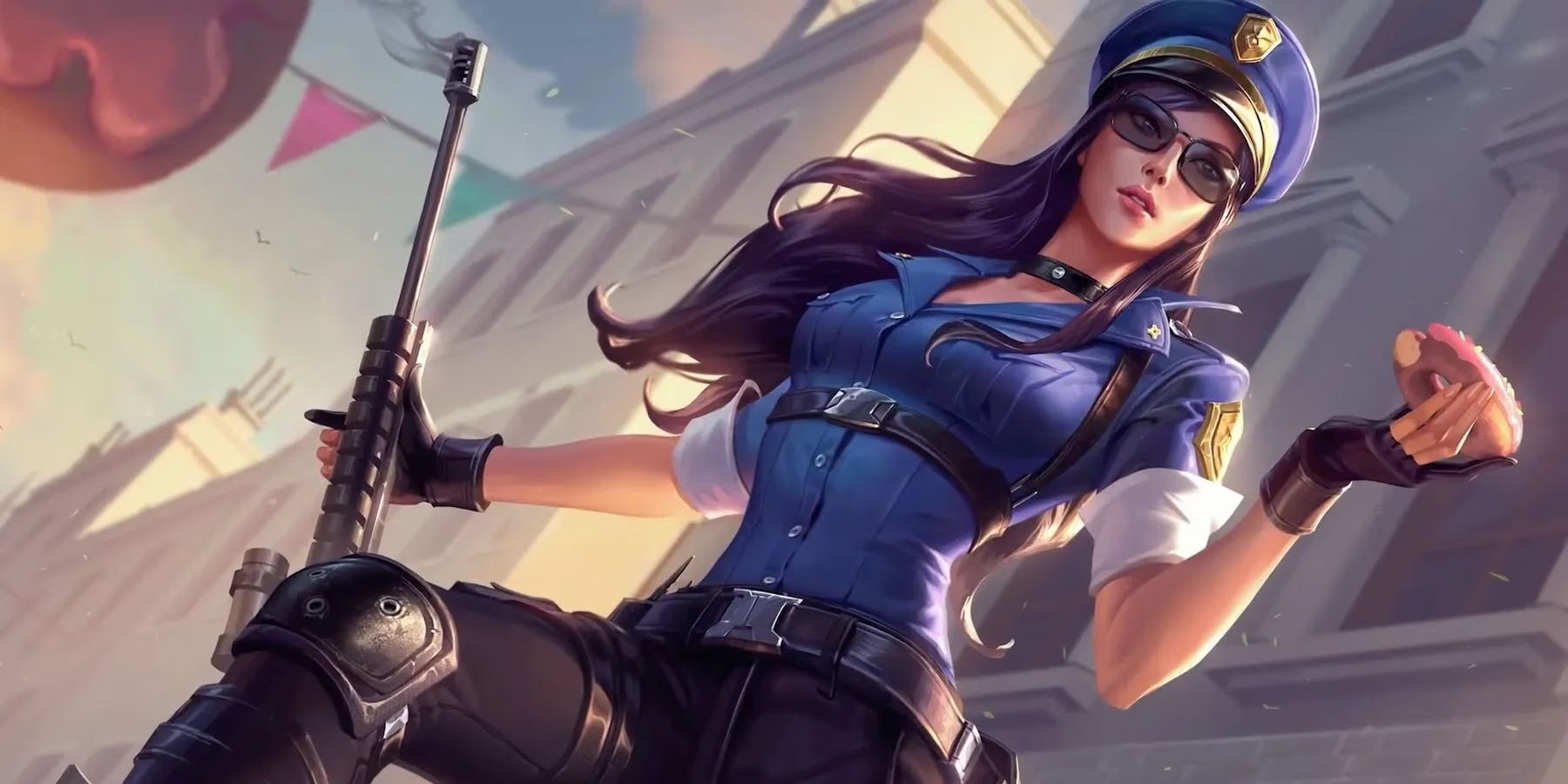
I have watched enough preseasons to know that Riot usually saves its biggest experiments for the months between ranked seasons. The 2022 preseason was no exception. The headline changes were new items, dragons, and runes, which promised to shift builds and jungle priorities in ways that would take weeks to fully understand. Riot also revealed First Strike as a new keystone rune, adding another layer for players who like to calculate risk before a fight. For me, though, the most interesting part was not the shiny new systems. It was the Caitlyn update, because it touched something much more personal: the way a champion actually feels in my hands.
🔫 Caitlyn's Visual Update Was More Than a Facelift
Caitlyn has always been one of the most popular champions in League of Legends, and her visual update became a major talking point on Reddit almost immediately. A Riot employee named Riot Rovient explained that the update would target some of her micro-mechanics, especially animation cancels. That detail mattered because Caitlyn's power has often lived in the gray area between intended skill expression and unintended loopholes. The update was set to remove several mechanics:
-
Passive Headshot auto-attack cancel with trap or net on a secondary target
-
90 Caliber Net (E) Headshot auto-attack cancel combos
-
90 Caliber Net (E) Headshot auto-attack cancel on the primary target when the ability is cast against a wall
-
Yordle Snap Trap (W) extended range by attack-moving
As a player, I understood why some Caitlyn mains were nervous. Removing animation cancels can feel like removing mastery. But I also understood Riot's side. Some of these interactions were not healthy expressions of skill. They were hidden shortcuts that made Caitlyn frustrating to play against at high levels.
🧠 The Machine-Gun Problem
Riot Rovient's reasoning was revealing. The Summoner's Rift team had already tried to patch out the machine-gun Caitlyn mechanics once before, and they believed they had succeeded. That mechanic allowed Caitlyn to apply multiple successive Headshot auto-attacks, producing a mage-like burst of damage. In practice, it made her one of the most obnoxious champions to deal with when the player knew what they were doing. The old fix did not hold, because players soon discovered that switching to a different target for each Headshot kept the exploit alive. The new visual update was meant to bring a completely new Headshot code, treating her auto-attacks as enhanced auto-attacks rather than spells that work like basic attacks. In 2026, that sounds like a technical detail. At the time, it was a real design statement.
| Change | What I Remember | Why It Mattered |
|---|---|---|
| Caitlyn visual update | New look and cleaner animation work | Modernized a flagship champion |
| Machine-gun fixes | New Headshot code and removed cancels | Closed an unfair burst pattern |
| Arcade-inspired skins | Free skins for Jayce, Vi, Caitlyn, and Jinx | Tied rewards to the Arcane moment |
| Rift Arcane adjustments | Map changes connected to the series | Blended lore and gameplay |
| Items, dragons, and runes | Broad preseason system shake-up | Forced players to relearn builds |
| First Strike | New keystone rune revealed | Added a risk-reward playstyle |
✨ Arcane, Free Skins, and a Rift Makeover
The Caitlyn update was part of the wider RiotX Arcane event, which was tied to the game's first League of Legends animated series. I remember the excitement around that crossover. Free Arcade-inspired skins for Jayce, Vi, Caitlyn, and Jinx gave players a reason to log in beyond the usual grind, while Arcane-related adjustments for Summoner's Rift made the map feel connected to the story. The pandemic had halted production on the series the year before, and for several months there was no update. By the time the preseason news arrived, Arcane was back in business, and fans were eager to see whether Riot could turn a game universe into a convincing animated show. From my 2026 perspective, that gamble paid off in a way few of us expected.
🎮 What This Means for Players in 2026
Today's League of Legends moves quickly, with frequent patches and seasonal shifts that make the 2022 preseason feel distant. Even so, I think that period is still worth studying. It showed me that Riot is willing to sacrifice some flashy mechanics when they undermine fairness. It also showed that visual updates are never only about looks. When a champion's animations, code, and identity change together, the gameplay changes too. As a regular player, I do not need every old exploit to survive. I want champions to feel expressive without turning into hidden math problems. That is why the 2022 preseason remains memorable to me: it was messy, ambitious, and honest about the tension between skill expression and competitive health. 🎯
Insights have been gathered from CNET - Gaming, whose reporting often frames updates like League of Legends' 2022 preseason within broader industry trends, making it useful for understanding why Riot paired mechanical clean-up on Caitlyn with Arcane-driven presentation changes, free cosmetic rewards, and a more polished onboarding experience for returning players.