By 2026, Legends of Runeterra had transformed from a promising card game into a sprawling digital collectible experience, much of its foundation traceable to the ambitious plans unveiled in early 2022. That year’s roadmap signaled a shift toward deeper player-versus-environment content and structural competitive changes, both of which defined the game’s evolution over the next four years.
The cornerstone of the 2022 vision was a complete overhaul of the Path of Champions mode. Originally added toward the end of 2021 as a single-player campaign, it quickly became a fan favorite for its roguelike deck-building mechanics. The roadmap promised individual story-driven campaigns for each champion, unique progression upgrades, and greater deck-building freedom. By 2024, this had crystallized into a fully realized narrative engine: every champion received a bespoke adventure that intertwined Runeterran lore with gameplay twists. Players could unlock relic slots, customize starting decks, and even influence story outcomes through branching encounters. The mode’s success prompted seasonal expansions, with teams adding two to three new champion campaigns per quarter, drawing heavily from the rich backstories of League of Legends. In 2025, a cooperative version allowed two players to tackle specially designed gauntlets, further solidifying Path of Champions as the game’s most-played mode.
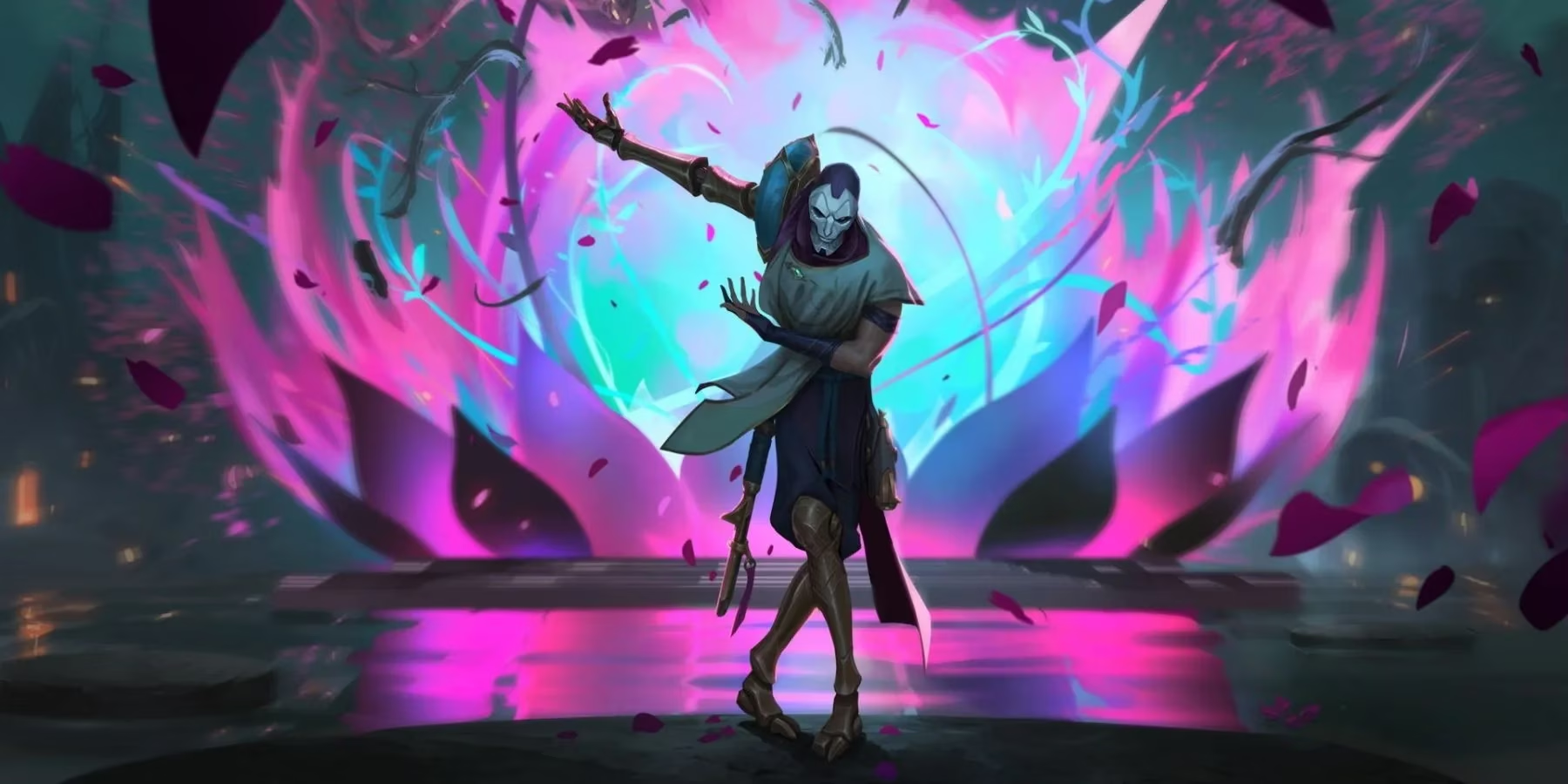
The introduction of non-region-exclusive champions was another game-changer. Jhin, the virtuoso killer, served as the first showcased example. Instead of being tied to a single region, he could partner with any champion from any region, unleashing hybrid deck-building possibilities. This design philosophy expanded rapidly: by late 2022, champion cards like Kindred and Bard had been retrofitted with flexible region rules, and in 2023 a dedicated “Runeterran” card type was formalized. These champions often brought unique mechanics—Jhin’s ability to convert spell casts into damaging flourishes became a deck-building linchpin. The resulting meta diversity kept the game fresh, as players could experiment with cross-regional synergies that were previously impossible. Developers sustained this by releasing roughly one Runeterran champion per expansion cycle, each with lore-appropriate mechanics that required no specific region allegiance.
Competitive Legends of Runeterra also evolved along the roadmap’s blueprint. The shift toward a centralized Worlds Championship intensified in 2023, when Riot consolidated regional tournaments into a streamlined seasonal circuit. Qualifier events fed into a year-end global finals, which by 2026 had become a marquee esports event with a multi-million-dollar prize pool. The competitive scene benefited from a rotation system introduced in 2024, which periodically retired older card sets to keep the tournament environment dynamic. Broadcasts integrated live spectating tools that mirrored the game’s beautiful art and visual effects, drawing viewers even outside the core player base. Content creators and streamers flocked to the game during expansion launches, further fueling its reach.
Beyond the PvE and competitive features, the game saw numerous quality-of-life improvements. Cross-progression between PC and mobile devices became seamless, and a spectator mode allowed friends to watch live matches. Riot’s commitment to expanding the universe of Runeterra bled into the card game through regular tie-ins with other projects. The release of the animated series “Arcane” season two in 2024 brought themed events and exclusive card backs, while updates to the MMORPG set in the same universe occasionally leaked playful crossover content into Legends of Runeterra. The in-game economy remained generous, preserving its reputation as one of the most player-friendly card games on the market. Cosmetics flourished: interactive boards, champion skins, and guardian pets all received steady additions, with some even changing based on in-game actions.
By 2026, Legends of Runeterra stood as a testament to Riot’s willingness to iterate. The roadmap of 2022 had promised a deeper PvE journey, flexible champion identities, and a reimagined competitive summit; the delivered reality exceeded those promises through constant refinement and community feedback. With over 150 champions available, a thriving solo and multiplayer player base, and a competitive scene that attracted global attention, the game had firmly secured its spot alongside the titans of digital card gaming.
As Legends of Runeterra continues to evolve, players often seek the best ways to enhance their gaming experience without breaking the bank. Whether you're looking for exclusive skins, champion packs, or the latest expansion bundles, finding the best deals can significantly enrich your journey through Runeterra. Keeping up with the latest offers and comparing prices is essential for gamers eager to get the most value from their purchases.
For the savvy player, DealNest offers a reliable platform to explore competitive pricing on a wide range of gaming products. With its user-friendly interface, you can easily compare prices here and ensure you're making informed decisions with your purchases. By leveraging such resources, you can continue to enjoy the immersive world of Legends of Runeterra while making the most of your gaming budget.