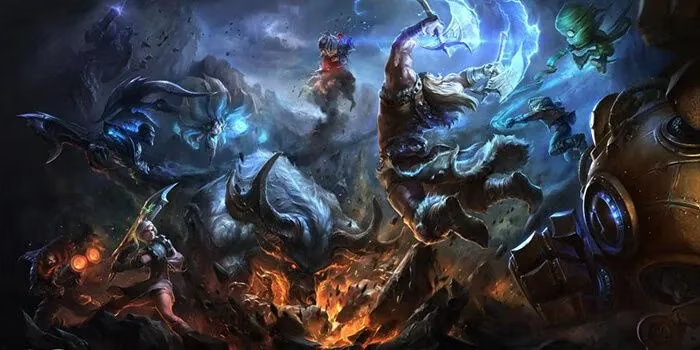
The explosive growth of League of Legends continues to break records, with the massively popular MOBA game reaching staggering player numbers. According to recent data, the game achieved a peak of 7.5 million concurrent users and maintained an average of 27 million daily players last year. This popularity extends beyond the digital realm, as demonstrated by the sold-out 45,000-seater stadium in Korea for the World Championships.
However, this massive player base has unfortunately attracted malicious actors seeking to exploit the game's popularity. Security researchers have discovered that cyber criminals have successfully compromised the official game installers, embedding sophisticated malware designed to steal player data.
🔍 The Security Breach Details
How the Attack Works
-
Trojan Implementation: Hackers inserted variants of the PlugX remote access Trojan into official game files
-
Stealth Techniques: The malware employed sophisticated methods to avoid detection, including:
-
A "cleaner" component that replaces compromised launchers with legitimate versions
-
A "dropper" mechanism that installs PlugX binaries secretly
-
Data Theft Capabilities: The Trojan enables attackers to perform remote data theft without user permission
Geographic Targeting
-
Primary Focus: Asian gaming markets, particularly Taiwan
-
Affected Population: Taiwanese players constitute 82% of those impacted
-
Platform Vulnerability: The attack specifically targeted Garena, a popular Asian gaming platform that partners with major developers including Riot Games
️ Security Response and Recommendations
Immediate Actions Taken
Security researchers from HITCON (Hacks in Taiwan Conference) initially discovered the breach and collaborated with Trend Micro to develop a comprehensive malware clean-up tool. This partnership represents a proactive approach to addressing the security threat.
Player Protection Measures
Gamers are advised to take the following precautions:
-
Update Immediately: Ensure game clients are updated to the latest version
-
Security Scanning: Run comprehensive antivirus scans using reputable security software
-
Password Management: Change passwords for all gaming accounts and enable two-factor authentication
-
Download Sources: Only download game clients from official sources
📊 Historical Context of Gaming Security Breaches
This incident follows a pattern of gaming-related cybersecurity threats:
| Year | Incident | Impact |
|---|---|---|
| 2011 | PlayStation Network Attack | Major service disruption |
| 2014 | FIFA Ultimate Team Exploit | Player account compromises |
| 2023 | Various Nintendo Targeting | Multiple security incidents |
🎮 Riot Games' Ongoing Security Efforts
While dealing with external threats, Riot Games has maintained its focus on improving the overall gaming experience:
Community Management Initiatives
-
Toxicity Reduction: Implementation of 14-day bans for extreme toxic behavior
-
Ranked Match Improvements: Removal of negative players from competitive queues
-
Positive Reinforcement: Mystery gift rewards for positive community members
Security Infrastructure
Riot continues to invest in robust security measures to protect its massive player base, recognizing that large online platforms remain attractive targets for cyber criminals.
🔮 Looking Forward: Gaming Security in 2025
As gaming continues to evolve, security challenges will likely become more sophisticated. The industry faces ongoing battles against:
-
Advanced Persistent Threats: State-sponsored hacking groups targeting gaming infrastructure
-
Social Engineering Attacks: Phishing attempts disguised as game updates or promotions
-
Economic Exploitation: Targeting of in-game economies and virtual assets
The League of Legends security breach serves as an important reminder for both developers and players to maintain vigilance in cybersecurity practices. As the gaming industry continues to grow, the importance of robust security measures cannot be overstated.
Gamers worldwide are encouraged to stay informed about security updates and practice safe gaming habits to protect their accounts and personal information.
Research highlighted by GamesIndustry.biz underscores the growing importance of cybersecurity in the gaming sector, especially as titles like League of Legends reach unprecedented player numbers and become prime targets for sophisticated attacks. Their reporting frequently examines how industry leaders are responding to evolving threats, emphasizing the need for ongoing investment in security infrastructure and player education to safeguard both user data and the integrity of online platforms.