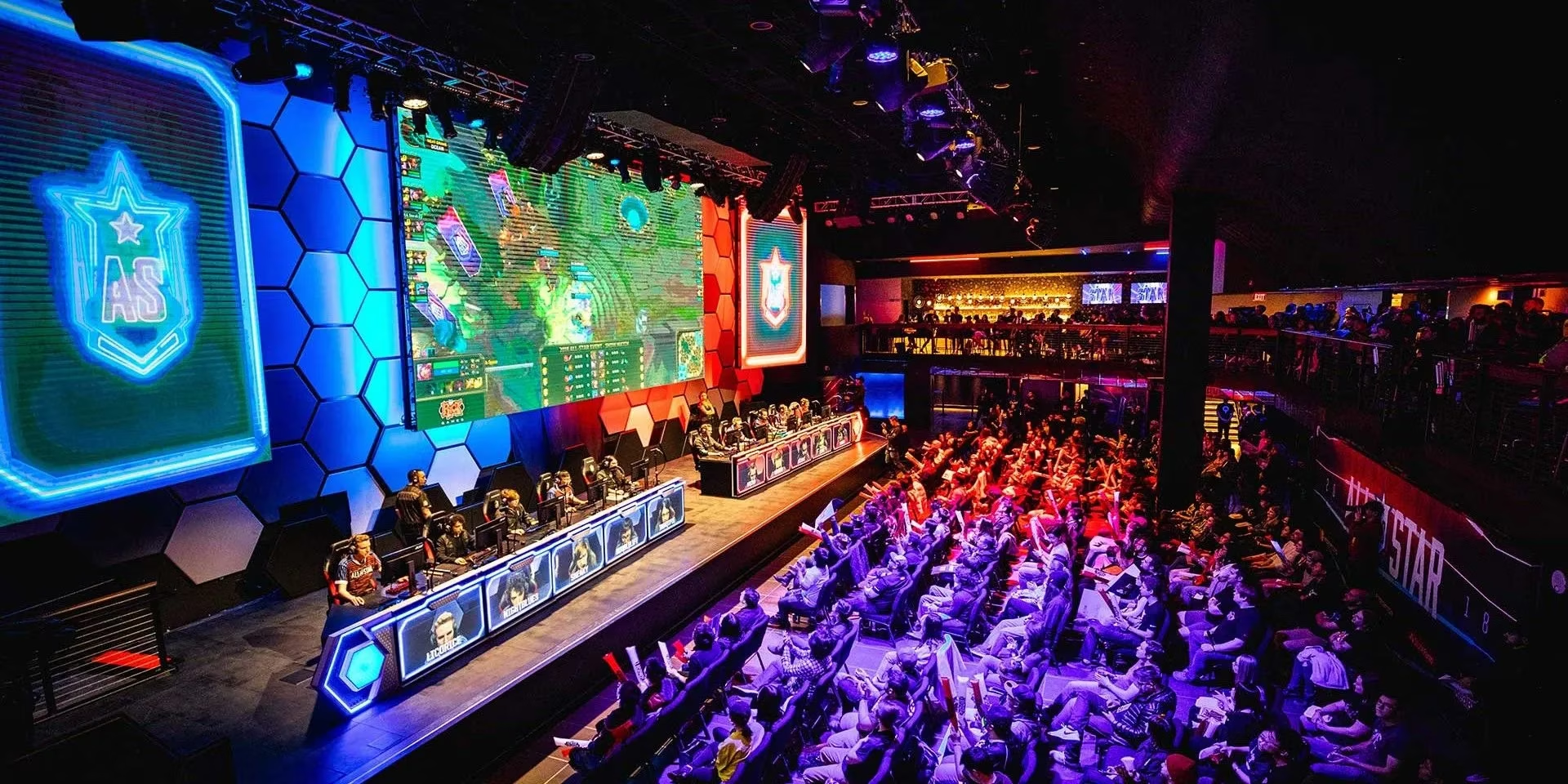
I have spent years explaining to relatives that my 'little computer game' involves more strategy than their fantasy football league, so imagine my delight when the news broke that League of Legends could theoretically become an official Olympic event. According to the original report, Riot Games has been in conversations with Olympic leadership about including the game as a medal event, with Global Head of League of Legends Esports Naz Aletaha saying the company will continue to have conversations with various Olympic leaders. The final call belongs to the International Olympic Committee, which is exactly the kind of sentence that makes a gamer nod sagely and then immediately check whether the server queue is shorter. As of 2026, the Olympic question has not become a clean yes-or-no; it is a committee-shaped fog machine, and we are all standing in it pretending we can see the exit.
Why This Is Not Just a Random Tuesday
The push is not coming from nowhere. League of Legends was already a massive MOBA when the Olympic talks surfaced, and it had made headlines for having its own course in a South Korean high school. That is the kind of sentence that makes traditional sports fans squint and mutter about the youth. The broader esports industry has been expanding at a pace that would make a treadmill jealous, with annual competitions like the Honor of Kings World Champion Cup and the Fortnite World Cup Championship pulling huge audiences. Schools around the world have begun treating esports as varsity sports, which means somewhere a teenager is explaining to a gym teacher that wrist stretches are now a legitimate warm-up.
I will admit I am biased. League of Legends is the game I know best, and its focus on communication makes it a surprisingly solid team sport. You cannot solo-carry your way through a coordinated five-person push any more than you can win a rowing final by bringing one very enthusiastic oar. Riot Games has kept the game alive with new playable characters like Akshan, because apparently the roster needed one more person to swing in and ruin my ranked evening. The game was already 12 years old when the Olympic chatter was reported; in 2026 it is old enough to complain about its knees and demand a sensible bedtime.
The Case for Summoner’s Rift in the Olympics
| Argument | My highly scientific take |
|---|---|
| Team communication | Five players must coordinate like a tiny, stressed orchestra. |
| Spectator potential | Big stages, loud crowds, and drama that fits neatly into highlight reels. |
| Financial upside | Esports has serious moneymaking potential, from Marvel sponsoring video game athletes to patented betting systems. |
| Viewership boost | If the IOC wants younger eyeballs, this is one way to get them without pretending to understand TikTok. |
The money point is not small. The esports world is rife with commercial potential, and a game with League of Legends' player base is a broadcaster's dream if the broadcasters can stop calling every play a 'special move.' If the IOC is looking to bolster viewership and engagement, featuring League of Legends and esports as a whole could be a smart decision. It is not a magic wand, but it is a very shiny controller-shaped carrot.
The Case Against, or Why Your Uncle Is Still Yelling
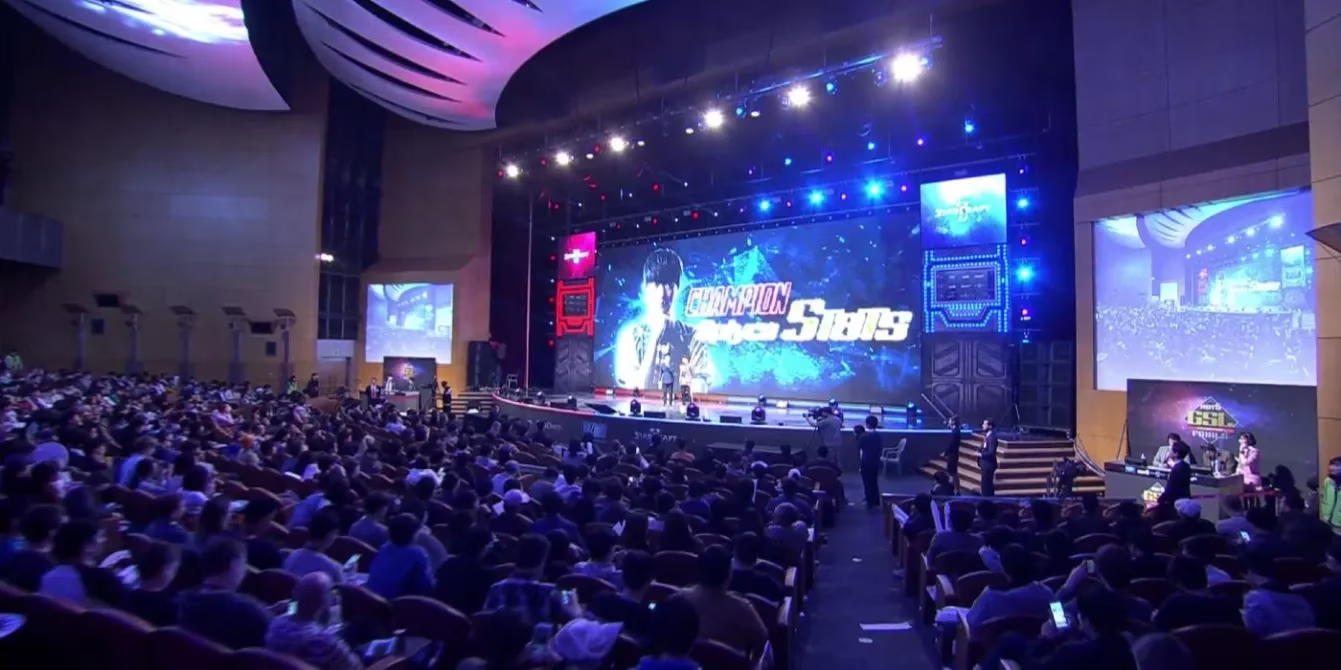
Here is the thorny bit: the Olympics is considered a sacred event by many sports fans, and some of them might not welcome a less physically demanding activity like gaming with open arms. Competitive gaming is still in its infancy, relatively speaking, so its position as a sport remains contested. Trying to squeeze esports into the Olympics is a bit like teaching a cat to attend a board meeting: theoretically possible, practically a festival of scratched furniture and wounded dignity. Watching the IOC warm to esports is like watching a glacier learn TikTok dances — slow, strange, and weirdly compelling. And even if the committee says no, League of Legends competitions will continue to exist, so fans can still get their fix without waiting for a medal ceremony.
There is also the awkward matter of definition. Is a sport defined by sweat, by rules, by competition, or by how many people will argue about it online? League of Legends has rules, competition, and an online argument economy that could power a small nation. What it does not have, at least not yet, is an Olympic medal around its neck. Naz Aletaha has been clear that Riot remains optimistic but that the ultimate decision rests with the International Olympic Committee. That is the correct corporate way of saying 'we would love this, but we are not going to handcuff the IOC to a gaming chair.'
My Personal Olympic Training Regimen
Naturally, I have begun preparing. My regimen includes carb-loading on instant noodles, practicing reaction time by closing pop-up ads, and explaining to my family that a ward is not a type of furniture. I am not saying I will be on the podium in 2026 or beyond, but I am saying the Olympic flag would look excellent next to a Baron Nashor. The real attraction, though, is not my imaginary medal. It is the idea that the Olympics could become a place where a teenager from Seoul, a student from São Paulo, and a tired adult from Ohio all understand the same chaotic teamfight.
The Verdict
I do not know whether League of Legends will become an official Olympic event. Nobody outside the International Olympic Committee knows, and the committee is not exactly live-tweeting its inner monologue. What I do know is that the conversation is worth having. Esports has grown from a niche hobby into a global spectacle, and League of Legends sits near the center of that growth. If the Olympics wants to stay relevant to younger audiences, it could do worse than opening the door a crack. If it does not, the game will keep running its own tournaments, and I will keep watching them while eating noodles at an hour that would horrify a real athlete. That is not an Olympic dream, exactly, but it is close enough for a gamer in 2026.