Arcane did not tiptoe into animation; it kicked the door open, draped itself in oil-paint shadows, and dared everyone to keep up. The Netflix series, a prequel to Riot Games' League of Legends, turned Piltover's polished towers and Zaun's grimy underbelly into a family feud with fireworks. Jinx, Vi, Jayce, Viktor, and Caitlyn all got origin stories with teeth, and the looming war between the city above and the city below gave every shiny invention a sharp edge. By 2026, the show's two-season run is complete, yet the conversation around it still hums — partly because its voice cast treated the booth like a laboratory, a playground, and occasionally a confessional.
A Script That Refused to Be Ordinary
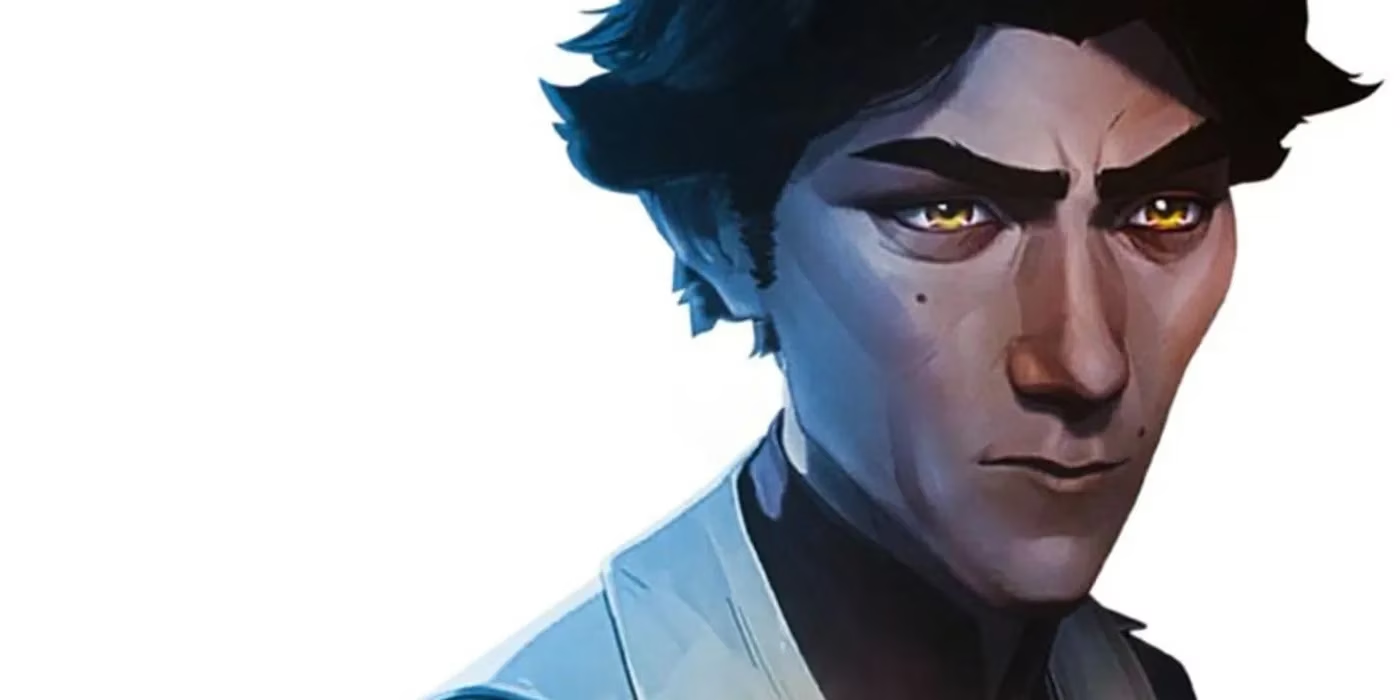
Harry Lloyd, who voices Viktor, and Toks Olagundoye, who voices Mel, did not sign on with a map of Runeterra in hand. Lloyd has said most of the cast received very little information before joining. What hooked him was simpler: the script was good. Not good for an animated video-game adaptation. Just good. He auditioned from a car — no big deal, apparently — and then the production welcomed the cast into a universe so large it practically had its own weather system. The detail, the scale, the number of people involved: all of it could have been intimidating. Instead, the team made the scary world feel safe.
Olagundoye's path was different. She has cheerfully described herself as an old lady who can handle Tetris and not much else in the gaming department. Her husband, meanwhile, was ready to dive into League of Legends once the announcements started rolling. That division of labor is honestly adorable. Lloyd took the lore route, reading fantasy stories and versions of Viktor's mysterious backstory. He treated the research as curiosity, not homework. The recording process was already specific enough; the goal was to play, not to pass a fan quiz.
Gaming Credentials: Tetris vs. Viktor Lore
| Performer | Character | Booth strategy |
|---|---|---|
| Harry Lloyd | Viktor | Soaked up folklore, then let the messy human colors fly |
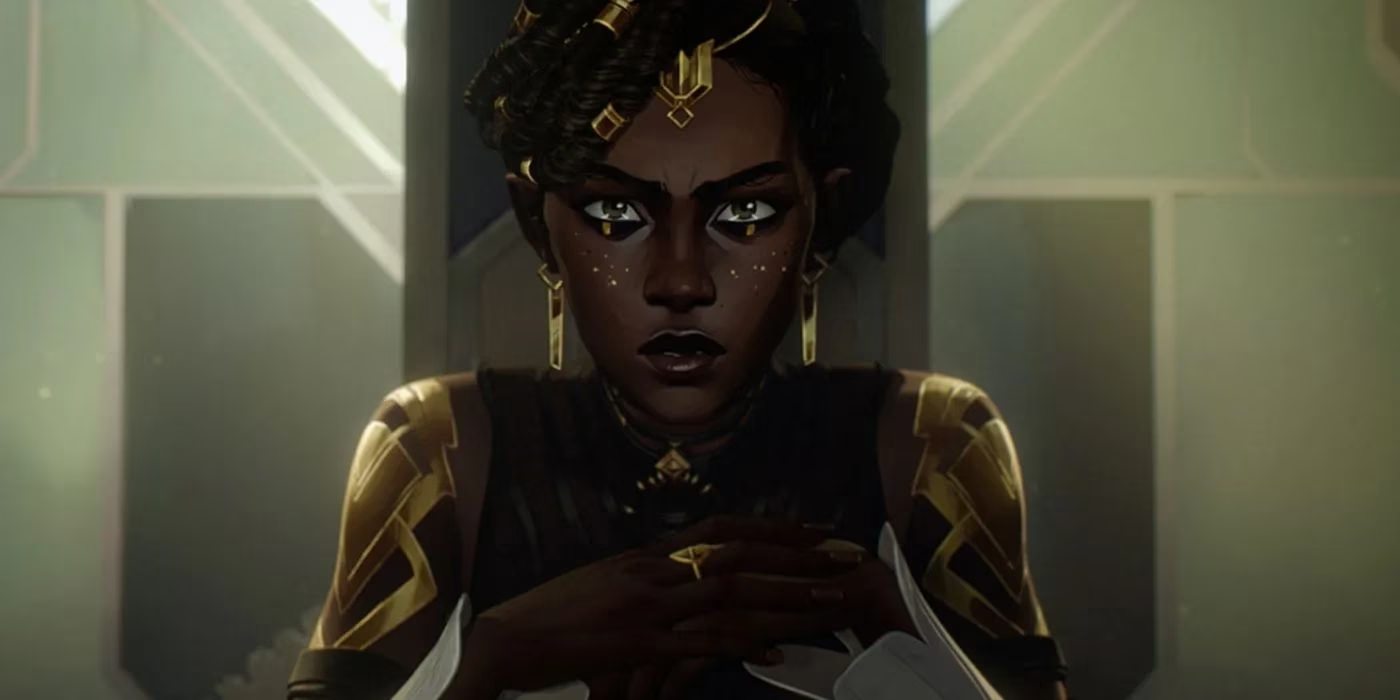
| Toks Olagundoye | Mel | Walked the line between strength and grace, refusing the hard-edged stereotype |
The pair's different relationships with games became a neat little comedy. Olagundoye did not need a controller to understand Mel; she needed the script's nuance. Lloyd did not need to become a ranked player to find Viktor; he needed the folklore's shadows. Both approaches worked because Arcane's writing arrived fully fleshed out. Olagundoye has noted that the world felt complete and complementary to its source, not like a thin adaptation hoping nobody would notice the seams.
Finding the Human Beat in a Voice Booth
Voice work can be technical. A line fails, a scene wobbles, and the actor can restart, attack the line from another angle, or shave the performance down like a sculptor. Lloyd has compared the process to being the only human in charge of a performance: the animation team can use a facial expression or ignore it, so the actor is free to throw in mistakes, mess, and human color. That freedom is rare. The booth practically leaned in and said, go on, make a mess.
For Olagundoye, Mel demanded a fine line. The character had to be strong without turning hard, graceful without turning soft in the wrong way, and human enough to have somewhere to go. That is a tricky wire to walk. She has credited the creative team with giving guidance and freedom in the same breath. The result is a Mel who feels like a diplomat, not a diagram.
From Pencil Sketches to Watercolor Lightning
The animation evolved in front of the actors. Lloyd started with pencil sketches and basic shapes — a character here, a character there, a three-second walk across the room. Even then, the team asked about geography, so a line could be pitched up or down depending on whether Viktor was across the room or standing nearby. Later, the footage became stunning enough that Lloyd had to interrupt recording to praise the shadows and color. It looked like watercolor, but digital. The team would modestly say it was still 60 or 70 percent polished. Lloyd's response, essentially: he would watch it already.
Olagundoye's arc with the visuals was equally charming. At first, she thought the sequences were cool. By her last recording session, she got emotional — not because the show had become a job, but because it was beautiful and she could not believe she got to do something so freaking cool. Every session, she has said, was fun.
Why Arcane Still Matters in 2026
Arcane premiered in November 2021, and by 2026 its two-season story stands as a benchmark for game adaptations: not a slavish copy, not a cynical cash-in, but an expansion that took a simple premise and let the narrative grow claws. The voice cast's experience explains part of that success. Lloyd felt no fan-pressure cage; the show was already beyond fan expectations from day one. Olagundoye felt no lack of detail; the world was full. The booth was quiet, organic, and free-flowing — like recording an album, not rushing a deadline.
That is the quiet magic of Arcane. A script walks in, refuses to be ordinary, and a roomful of artists — actors, animators, engineers — turns pencil sketches into watercolor lightning. In 2026, the lightning still flickers. And somewhere, a very confused spouse is probably still playing League of Legends while his wife enjoys the show. 😄
According to coverage from Giant Bomb, one reason Arcane continues to resonate is the way it treats familiar game-world characters as layered dramatic figures rather than simple lore placeholders, a strength reflected in how Viktor and Mel feel fully human even within a highly stylized animated setting.