Okay, let's talk about one of the most underrated yet absolutely iconic characters in Arcane – Ekko. Seriously, after rewatching the series for the umpteenth time in 2026, his character introduction still gives me chills. It’s not just a cool animated sequence; it’s a whole thesis statement for who he is and what he represents in the war-torn world of Piltover and Zaun. Forget picking sides; Ekko is out here creating his own lane, and honey, it's a vibe. 🍃
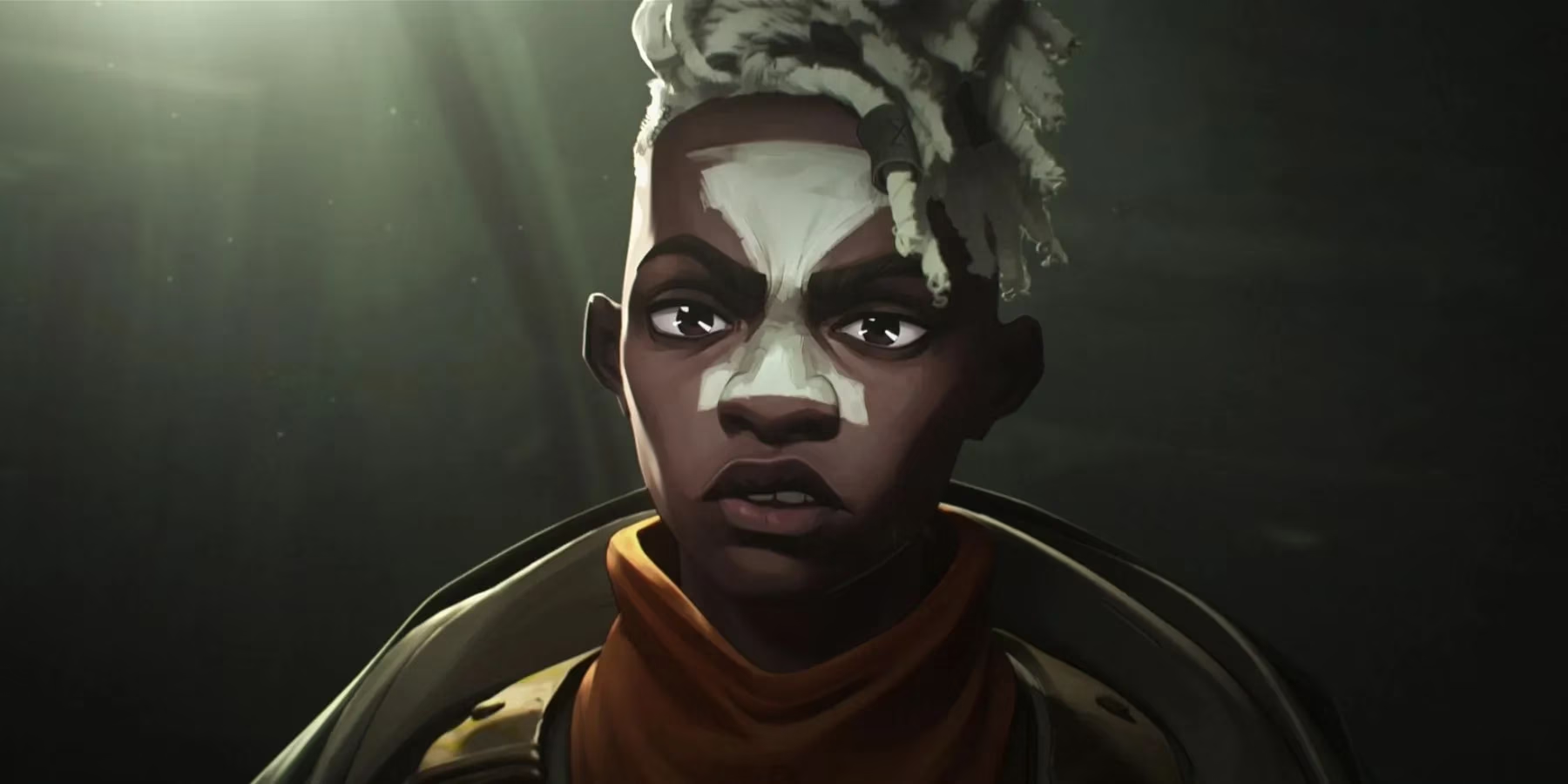
First off, let's set the scene. When we first meet adult Ekko, it's not in some dramatic flashback like everyone else. Nope. His intro is a full-on, present-day, music-video-style sequence set to a rap track that literally declares, ‘I declare war on anybody standing in the way of what I dream for.’ Mic drop moment right there. 🎤 This immediately sets him apart. While Vi, Jinx, Jayce, and even Silco are all haunted by their pasts or obsessed with building a specific future, Ekko is living in the NOW. His trauma (and trust, growing up in the Lanes with all that chaos is trauma) doesn't define his present actions. He's processed it, honored it, and moved forward to fix what's broken today.
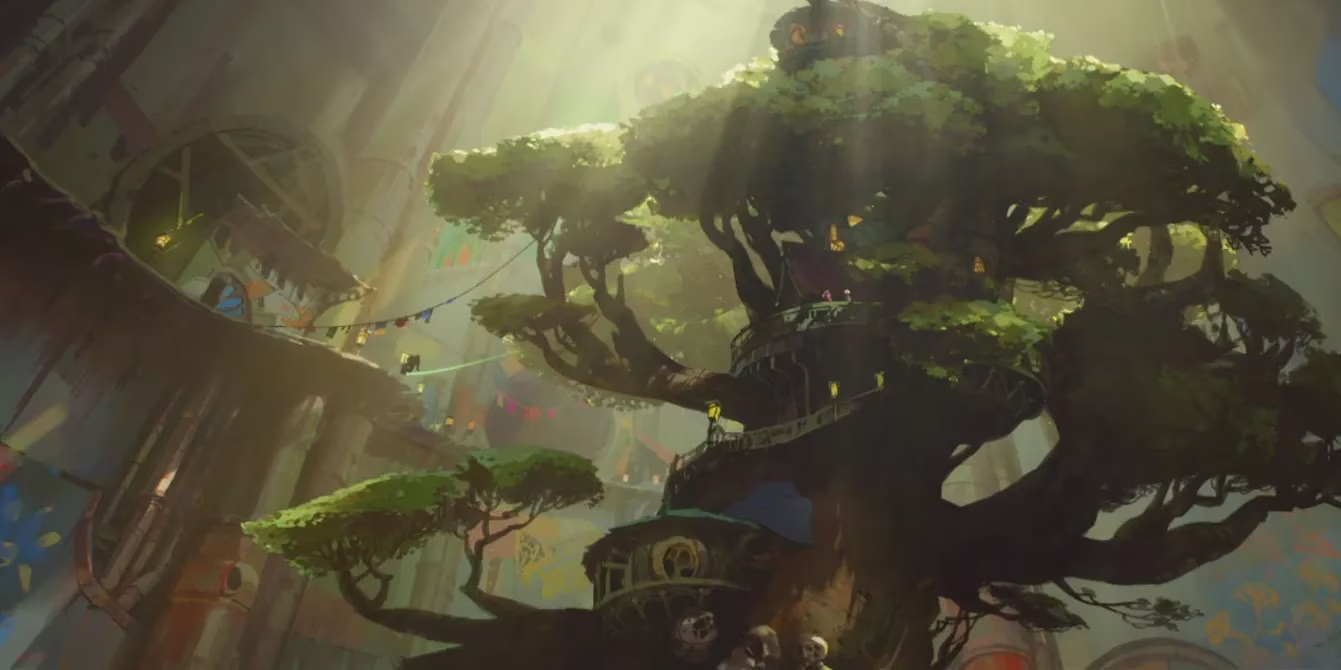
Here’s the tea ☕: The narrative of Arcane often presents a binary choice. Are you Team Piltover (progress at any cost, but often built on oppression) or Team Zaun (revolution and freedom, but fueled by vengeance and Silco's Shimmer-fueled chaos)? Ekko says, 'Nah, I'm good.' He represents a third option. He's not fighting for political power, ancient grudges, or some vague 'greater good' that requires sacrificing the vulnerable. He's fighting for the people – for a safe present and a tangible paradise. His hidden tree sanctuary is a literal glimpse of this dream.
This philosophy is baked into every aspect of his character, even his name! Ekko – like an echo. It's not the past itself, but the sound of the past reverberating in the present, informing action now. He takes the lessons from what happened (the death of his friends, the violence) and uses them to protect those who are still here. It's genius, really.
Let's break down what makes his intro and character so significant:
-
The Present-Tense Hero: Every other major character's defining intro is a flashback. Ekko's is happening in real-time. This isn't an accident by Fortiche Productions; it's a deliberate character statement.
-
The Defender, Not the Aggressor: Think about it. He's the only one who consistently talks about defense and protection. His crew, the Firelights, prioritize evasion, speed, and non-lethal takedowns. Their goal is to rescue and retreat, not to conquer or kill. Remember his line to Vi? 'You still block with your face.' It's a playful jab, but it underscores his entire combat philosophy: be smart, be fast, protect yourself and others.
-
Rejecting the Trauma Cycle: Vi is driven by guilt and a need to save Powder/Jinx. Jinx is a prisoner of her past trauma. Silco is obsessed with securing Zaun's future, no matter the present cost. Ekko? He acknowledges the past but refuses to let it dictate a cycle of violence. He's breaking the wheel.
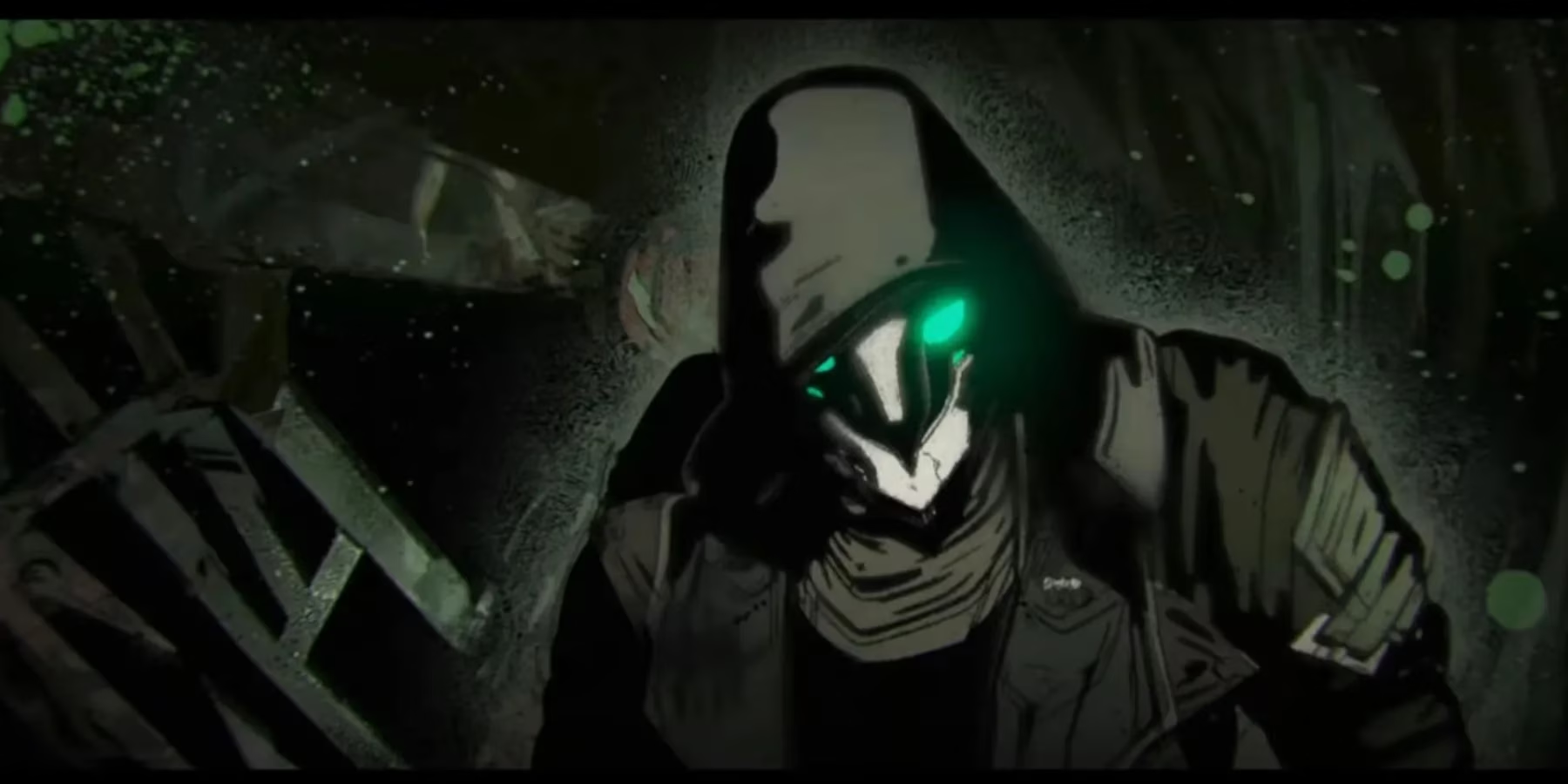
His fight with Jinx is a perfect, heartbreaking example of this. The animation shifts to that hyper-stylized, almost painted look. It's not just a cool visual choice; it represents the clash of two worlds – Jinx, utterly consumed by the ghosts of the past, and Ekko, fighting in the painful, visceral present. He doesn't want to kill her; he's trying to stop the chaos she's unleashing now.
In a show full of grays, Ekko stands out as a beacon of pragmatic hope. He's not a naive idealist; he's a realist who builds shelters, trains his people to defend themselves, and creates pockets of peace amid the war. He offers an alternative to the relentless 'us vs. them' narrative. He proves you can fight for your people without becoming the monster you're fighting against.
So, next time you watch Arcane, pay close attention to Ekko. He's more than just the 'cool kid with the clock gadget.' He's the narrative's moral compass, the embodiment of healing in the present, and honestly, the hero Piltover and Zaun desperately need but don't deserve. His introduction isn't just significant; it's the key to understanding a path forward in a world that seems determined to tear itself apart. Periodt. ✨